





We apologise but there was a problem sending your message. Please contact customer support at [email protected]
The Sheldon MINT Lab
Launched through the generosity of Valentine ’87 and Michelle Sheldon P’29, P’31, the Sheldon MINT Lab (Money Intelligence Now and for Tomorrow) offers a distinctive, hands-on approach to financial education. Students don’t just learn about money—they actively manage it.
Each class collaborates to oversee a real $40,000 investment portfolio, working alongside financial professionals to research opportunities, assess risk, and make strategic decisions. This immersive experience builds critical thinking, analytical skills, and a deep understanding of markets and long-term investing.
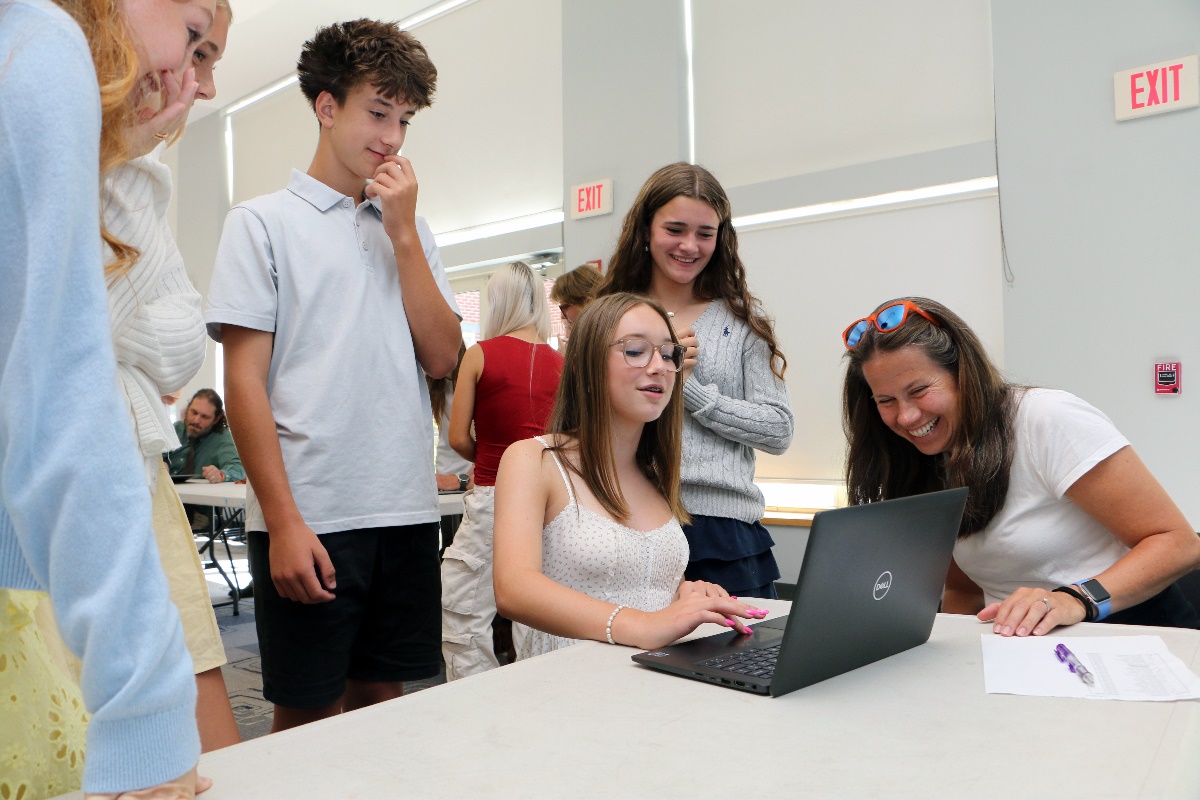

NYA’s Financial Literacy Program reflects our commitment to a challenging, forward-thinking education. Graduates leave not only academically prepared, but ready to navigate financial decisions with clarity, responsibility, and confidence.
A Four-Year, Real-World Curriculum
Financial literacy is integrated across all Upper School grades through a thoughtfully sequenced program. At each stage, students revisit and refine their investment strategies, applying new knowledge in meaningful ways.
- Instruction at all Upper School grade levels, approximately six meetings each year
- Hands-on research, investing, and tracking with actual funds – The Sheldon MINT Lab
- Basics – Budgeting
- Investment: Stock Market Assets
- Risk/Return: Compound Interest Funds
- Program Refresher | Investment Selections
- Basics: Banking
- Investment: Macroeconomy and Federal Interest Rates
- Risk/Return: Celebration
- Program Refresher | Investment Selections
- Basics: College Loans and Credit
- Investment/Retirement: 401k’s and More
- Risk/Return: Celebration
- Program refresher | Investment Selections
- Basics: Preparing for Independent Life
- Investment/Retirement: Build Your Wealth
- Risk/Return: Celebration
Beyond the Classroom
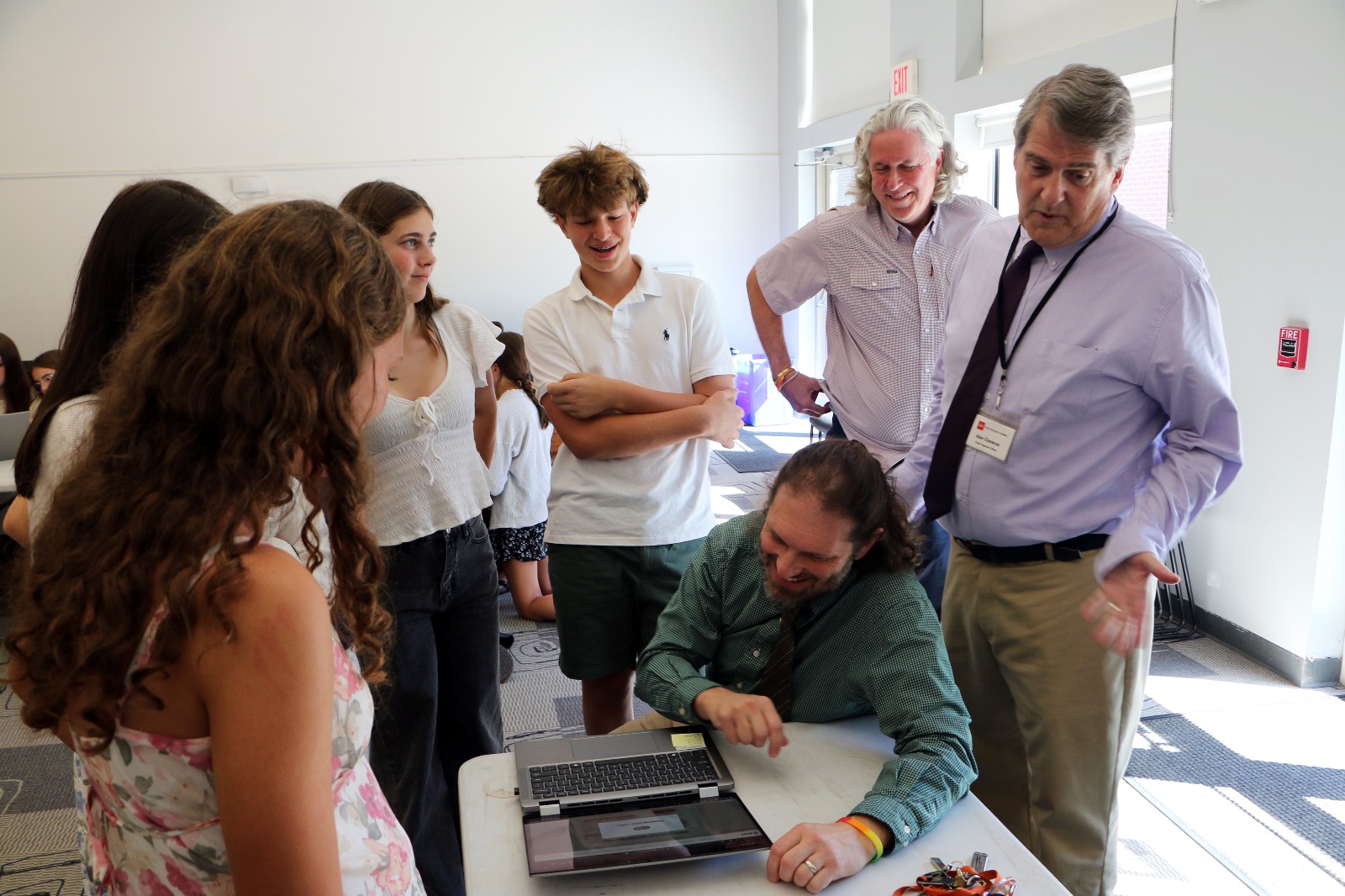
Students deepen their financial fluency through a range of complementary offerings, including courses such as Economics and Math of Personal Finance, advanced study in statistics and calculus, and experiential learning through clubs like Start-Up Club and Kiva.